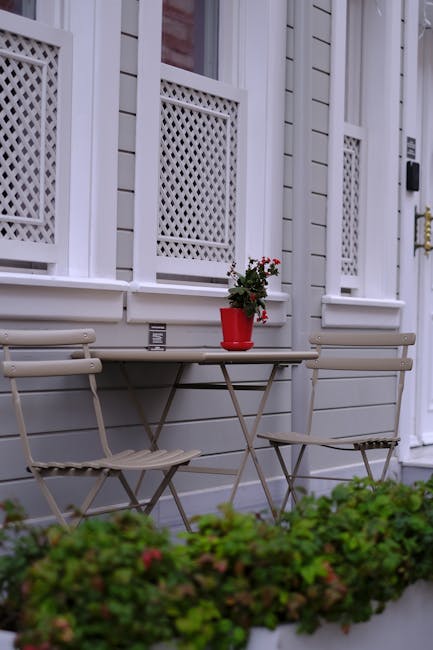
N8 gardeners guide to small terrace front garden care
Front gardens on terrace homes in N8 can be deceptively tricky. They look small from the pavement, but they carry a lot of weight: first impressions, kerb appeal, drainage, privacy, and the everyday job of keeping things neat without turning the space into a maintenance headache. This N8 gardeners guide to small terrace front garden care is here to make that feel manageable. Whether your garden is a narrow strip with a tired hedge, a handful of pots, or a bit of lawn that never quite behaves, the right routine makes a big difference. And honestly, with small spaces, less faff usually wins.
In this guide, you will find a clear way to care for a compact terrace front garden through the year, avoid the usual mistakes, and decide when a little professional help is worth it. If you are considering broader improvements as well, you may also find it useful to look at garden maintenance support or, for larger overgrown spaces, garden clearance. But first, let's get the small front garden basics right.
Table of Contents
- Why N8 gardeners guide to small terrace front garden care Matters
- How N8 gardeners guide to small terrace front garden care Works
- Key Benefits and Practical Advantages
- Who This Is For and When It Makes Sense
- Step-by-Step Guidance
- Expert Tips for Better Results
- Common Mistakes to Avoid
- Tools, Resources and Recommendations
- Law, Compliance, Standards, or Best Practice
- Options, Methods, or Comparison Table
- Case Study or Real-World Example
- Practical Checklist
- Conclusion
- Frequently Asked Questions
Why N8 gardeners guide to small terrace front garden care Matters
Small terrace front gardens work hard. They sit between the street and your home, so they deal with more foot traffic, more dust, more shade from buildings, and often a bit more neglect than the back garden. In N8, where many properties have limited frontage, a compact garden can quickly slip from charming to cluttered. One untidy hedge, a cracked pot, or weeds pressing through paving joints can change the whole feel of the house.
That is why front garden care matters beyond looks. A tidy space can improve access, reduce slip risks, keep roots and branches away from paths, and stop moisture-loving plants from taking over walls or drains. It can also make your home feel more welcoming before anyone even steps inside. You notice it on wet mornings especially: clean paving, clipped edges, and healthy planting simply feel calmer.
There is a practical side too. Smaller gardens are often easier to maintain if they are designed and cared for sensibly. A little routine work can prevent a lot of bigger jobs later on. It sounds obvious, but a ten-minute tidy once a week usually beats a full-day rescue in month six. Truth be told, most front gardens only become "hard work" when they are allowed to get out of hand.
If you already know your garden needs more than a seasonal tidy, a professional team offering services overview support can help you understand what is possible without overcomplicating things.
How N8 gardeners guide to small terrace front garden care Works
Good front garden care is less about doing everything and more about doing the right things in the right order. For a terrace front garden, the goal is usually simple: keep it tidy, healthy, safe, and visually balanced. That means dealing with structure first, then planting, then routine upkeep.
Think of it in layers:
- Access and hard surfaces: paths, steps, edging, and any paving that needs clearing or cleaning.
- Structure: hedges, shrubs, small trees, fences, or containers that define the space.
- Soft planting: bedding plants, bulbs, climbers, or low-maintenance shrubs.
- Ongoing upkeep: weeding, watering, pruning, sweeping, and seasonal checks.
For many homes, the biggest win comes from simplification. If a tiny frontage is packed with too many plants, it starts to feel busy and hard to care for. If it is too bare, it can feel harsh or unfinished. The best result sits somewhere in the middle, with enough planting to soften the front of the house but not so much that every weekend becomes a gardening project.
That balance is where local knowledge helps. N8 terraces often have microclimates: shaded entrances, dry soil near walls, windy corners, or patches that never seem to dry properly after rain. Care plans should reflect that rather than forcing a generic "nice garden" formula onto the space.
Key Benefits and Practical Advantages
When a small terrace front garden is managed well, the benefits are immediate and pretty hard to miss.
- Better kerb appeal: the house looks cared for, which is especially noticeable in compact streets.
- Less weekly effort: a modest, realistic planting scheme is easier to keep neat.
- Improved safety: clear paths and tidy edges reduce trip hazards.
- Healthier plants: good spacing and regular pruning reduce crowding, rot, and weak growth.
- More usable space: even a small front garden can feel bigger if it is not overcrowded.
- Stronger first impression: visitors, neighbours, and potential buyers notice the front of the property first.
There is also a psychological benefit. A tidy front garden can make the whole home feel more settled. You come back from work, see the clipped hedge and the swept path, and the place feels looked after. Little thing, but it matters.
For some households, the practical advantage is time. If you are busy, mobility-limited, or simply not keen on constant garden jobs, a sensible routine or a scheduled lawn mowing and general upkeep arrangement can keep the space under control without much hassle.
Who This Is For and When It Makes Sense
This guide is for anyone responsible for a small terrace front garden in N8. That includes homeowners, landlords, tenants with garden responsibility, and people preparing a property for sale or rental. It is also useful if your front garden has gone a bit patchy after a difficult season and you are wondering whether to restore it or simplify it.
It makes sense to focus on front garden care when:
- the space is narrow and feels cluttered easily
- weeds keep returning around paving or borders
- hedges and shrubs are getting too large for the frontage
- you want a neater, more welcoming street-facing appearance
- you need lower-maintenance planting that still looks good
- you have limited time and want a practical routine
It also makes sense when the garden is part of a wider refresh. A front garden can sit alongside new paving, boundary improvements, or other external changes. If that is the direction you are heading in, landscaping or even landscape gardening may be relevant, especially where the current layout simply does not suit the space anymore.
Not every front garden needs a full redesign. Sometimes it just needs a good reset. To be fair, that is often the best place to start.
Step-by-Step Guidance
Here is a practical, no-nonsense way to look after a small terrace front garden.
1. Clear the surface first
Start with the visible mess. Remove fallen leaves, twigs, dead plants, broken pots, and anything that has drifted into corners. Sweep paths and check where dirt collects near gates, steps, or drains. This instantly changes the feel of the space, and it also helps you see what actually needs work.
2. Check for weeds and self-seeded growth
Weeds in small front gardens love tight corners, paving joints, and the base of walls. Pull them while the soil is damp if you can. If roots are established, take a bit more care so they do not snap and return later. A small weed problem can look minor, but left alone it spreads fast, especially in warm spells.
3. Cut back overgrowth
Trim shrubs, climbers, and hedges before they start crowding the path or covering windows. Small front gardens need airy shapes, not bulky masses. If hedges are the issue, a neat finish from hedge trimming can restore proportion quickly. For larger woody growth or anything risky near the property, more specialist help may be sensible.
4. Review what deserves to stay
Ask a blunt question: does this plant earn its place? If something looks unhappy, constantly outgrows the space, or needs too much attention, remove it. A common mistake is keeping plants out of habit rather than value. In small gardens, every square metre counts.
5. Improve the planting mix
Choose plants that suit the conditions, not the wish list. Shady front gardens do better with shade-tolerant planting; dry, exposed spots need tougher choices. Use a mix of structure and seasonal colour, but keep the number of plant types manageable. Three good plants often beat nine fussy ones.
6. Refresh soil and mulch where needed
If borders look tired, add compost or a suitable mulch to help hold moisture and suppress weeds. Keep mulch away from stems and trunks. It is a small step, but you will notice the difference after a few weeks, especially in dry weather.
7. Set a repeatable routine
Front garden care works best when it becomes ordinary. A weekly sweep, a monthly prune check, and a seasonal tidy are enough for many small spaces. If you only touch the garden once in a blue moon, it gets expensive in time and energy very quickly.
Expert Tips for Better Results
A few simple choices can make a small terrace front garden much easier to live with.
Keep the planting height under control. In tiny front gardens, tall planting near entrances can make the space feel tighter than it is. Use height carefully and leave clear sightlines where possible.
Pick one strong focal point. That might be a specimen shrub, a well-shaped pot, or a clean line of edging. One focal point gives the eye somewhere to rest. Too many and the whole place gets busy. A bit chaotic, even.
Use containers sparingly. Pots are useful, but they are also easy to overdo. Three well-chosen containers usually look better than seven mismatched ones. And they are less annoying to water on hot days, which helps.
Match maintenance to your actual routine. If you know you do not like pruning, do not choose fast-growing plants that demand it every few weeks. If you want very low effort, go for reliable structure rather than novelty.
Think about winter first. A front garden that looks fine in June but empty and scruffy from November to February is not really doing its job. Evergreens, bark mulch, and well-shaped boundaries help the space stay presentable year-round.
Leave enough breathing room. Plants touching walls, bins, railings, or paths can make maintenance harder and create damp or access issues. Small margins matter more than people think.
If the garden sits awkwardly against hard surfaces or needs a more robust finish, you may also want to explore decking services as part of a broader front-of-house update, though that is more about design choice than routine care.
Common Mistakes to Avoid
Front garden problems are usually caused by a handful of familiar mistakes. Not dramatic ones. Just the kind that sneak up over time.
- Overplanting: too many plants crowded into too little space creates constant maintenance.
- Choosing the wrong plants: a sun-loving plant in deep shade will never behave properly.
- Ignoring edges: untidy borders and mossy edges can make the whole garden look neglected.
- Letting hedges run wild: once a hedge gets too wide, it takes much more time to restore shape.
- Using too many decorative items: ornaments, pots, and signs can become clutter quickly.
- Failing to clear dead material: dead stems and old leaves make small gardens look tired very fast.
- Not planning access: paths and gates still need comfortable movement, even in a compact space.
One easy trap is trying to make the garden "interesting" by adding more. More colours, more pots, more features. Usually, that is exactly the wrong direction. The neatest small gardens tend to be the calmest ones.
Tools, Resources and Recommendations
You do not need a shed full of kit to look after a terrace front garden well. A few reliable tools go a long way.
- a hand fork for edging and weeding
- a sturdy broom or leaf rake for regular sweeping
- secateurs for light pruning
- loppers for thicker stems if appropriate
- a watering can or hose, depending on access
- gloves that actually fit properly; badly fitting gloves are useless, frankly
- a small bucket or trug for collecting debris
For bigger or more awkward jobs, professional support can save time and reduce the risk of damaging plants or surfaces. If your front garden needs regular upkeep rather than just a one-off tidy, garden maintenance is usually the most sensible route. If the job is more about overgrown hedges or heavy boundary work, that points you towards hedge trimming or, in some cases, tree lopping and removal.
If you are comparing service choices, pricing, and what is included, it is sensible to review pricing and quotes rather than guessing. Clear expectations make the whole process smoother.
Law, Compliance, Standards, or Best Practice
For a small terrace front garden, compliance is usually more about safe, considerate practice than anything dramatic. If trees, boundary walls, shared access, or public pavements are involved, caution matters. In London, it is wise to check whether any work could affect neighbours, shared boundaries, or protected planting before making big changes. You do not want a tidy-up turning into a disagreement.
Best practice is simple:
- keep paths and access routes clear
- avoid blocking sightlines near doors and steps
- dispose of green waste responsibly
- use tools safely and store them properly
- be careful with any work near overhead lines, walls, or unstable growth
Professional gardeners should also work with sensible health and safety habits, especially when using ladders, cutting tools, or machinery close to entrances. If you want to understand how a company approaches that side of the job, it is reasonable to review their health and safety policy and insurance and safety information. That is just good due diligence. Nothing fussy about it.
For households that value sustainability, greener disposal and reuse practices also matter. The way green waste is handled, composted, or recycled can be part of the decision when choosing help. If that is important to you, the page on recycling and sustainability is worth a look.
Options, Methods, or Comparison Table
There is no single right way to care for a small terrace front garden. The best method depends on time, budget, and how much control you want over the result.
| Approach | Best for | Pros | Trade-offs |
|---|---|---|---|
| DIY weekly care | Hands-on homeowners with a little spare time | Low cost, flexible, immediate control | Can slip during busy periods; easy to miss seasonal work |
| Occasional tidy-up service | Gardens that need reset work a few times a year | Good for reclaiming an overgrown frontage | Does not prevent the garden from drifting again unless you maintain it |
| Regular maintenance plan | Busy households, landlords, and anyone wanting consistency | Keeps the garden presentable with less effort | Ongoing commitment, though usually predictable |
| Redesign and simplify | Very awkward layouts or problem-heavy gardens | Can reduce future work significantly | Higher upfront effort; needs clearer planning |
If the garden is more frustration than pleasure, redesigning it can be the right answer. If it is mostly fine but gets messy, maintenance is usually enough. And if the answer is "I really just need someone to sort this out before spring", well, that is a very common place to be.
Case Study or Real-World Example
Imagine a typical N8 terrace with a narrow front strip, a small path, one tired hedge, and a few pots that have been moved around so many times they no longer seem to belong anywhere. The path is dirty, weeds are coming through the edges, and the planting is a mix of dry stems and one or two thriving bits hanging on by luck.
The first step is not a grand redesign. It is a reset. Clear the debris, cut back the hedge to regain the walkway, remove dead or overcrowded plants, and decide what should stay. Then add a small number of reliable plants suited to the actual light levels. Finish with mulch, a sweep, and maybe one focal container by the entrance. Suddenly the space feels calmer and larger, even though the footprint has not changed at all.
That is the funny thing about small gardens. A little order goes a long way. You do not always need more; you need less, but better.
If the job feels too large to tackle alone, a properly scoped visit through about us can help you understand the approach behind the work and whether it suits the kind of result you want.
Practical Checklist
Use this as a simple front garden care check before the space gets away from you.
- Clear leaves, litter, and dead plant material
- Sweep paths and steps
- Remove weeds from borders and paving joints
- Trim back hedges, shrubs, and climbers
- Check for blocked drainage or standing water
- Remove broken pots, damaged supports, or clutter
- Review plant spacing and remove overcrowded specimens
- Water new or container plants as needed
- Add mulch or compost where the soil looks tired
- Confirm the entrance remains easy and safe to use
- Take note of what needs seasonal attention next
Quick expert summary: if you keep a small terrace front garden tidy, lightly structured, and realistic to maintain, it will usually look good for longer and cost less effort over time. That is the sweet spot.
Conclusion
A small terrace front garden in N8 does not need to be elaborate to work well. In fact, the most successful ones are often the simplest: neat edges, sensible planting, enough structure to feel deliberate, and a routine you can actually keep up with. The aim is not perfection. It is a front space that feels cared for, looks good from the street, and does not create weekend stress.
If you remember one thing from this N8 gardeners guide to small terrace front garden care, let it be this: small spaces reward consistency more than grand gestures. A little attention, given regularly, keeps the whole place feeling alive.
If your front garden has become more of a burden than a feature, or you want help turning a cramped frontage into something easier to live with, a straightforward chat is a sensible next step. You can always start small and build from there.
Get a free quote today and see how much you can save.
There is something quietly satisfying about coming home to a tidy front garden on a grey London evening. Nothing flashy. Just calm, order, and a place that greets you well.
Frequently Asked Questions
What is the best way to care for a small terrace front garden in N8?
The best approach is to keep it simple: sweep regularly, remove weeds early, prune lightly, and choose plants that suit the light and space. Small gardens do better with consistency than with occasional big efforts.
How often should a small front garden be maintained?
For most terrace gardens, a light weekly tidy and a more thorough seasonal check work well. In growing months, you may need to prune or weed more often. If the garden is very exposed or shady, keep an eye on it more frequently.
What plants work best in a small terrace front garden?
It depends on sun, shade, wind, and soil, but compact shrubs, hardy perennials, and container plants are often good choices. The key is to avoid anything that will quickly overwhelm the space or demand too much care.
How do I stop a small front garden from looking cluttered?
Use fewer plant types, limit the number of pots, and keep paths and edges clear. One strong focal point is better than lots of small distractions. Small gardens usually look better when there is a bit of breathing room.
Is lawn a good idea for a small terrace front garden?
Sometimes, but not always. In a very small or shaded frontage, a lawn can become patchy and awkward to maintain. Many homeowners prefer hardier planting, gravel, edging, or a simple container scheme instead.
When should I call in a professional gardener?
It makes sense to get help when the garden is overgrown, awkwardly laid out, or taking too much time to keep in shape. It is also sensible if there are safety concerns, heavier pruning needs, or you want a proper maintenance plan.
Can hedge trimming really make a small garden look bigger?
Yes. A hedge that has been kept neat and in proportion opens up the frontage, improves light, and makes the whole space feel more deliberate. Overgrown hedges make small gardens feel boxed in very quickly.
What is the biggest mistake people make with small front gardens?
Overplanting is probably the most common mistake. It feels attractive at first, but then the space becomes hard to access, hard to prune, and hard to keep tidy. Simpler usually wins.
How do I choose between maintenance and a redesign?
If the garden is basically workable but untidy, maintenance is often enough. If the layout itself is the problem, or the space keeps fighting you, a redesign may be the better investment. Sometimes the garden needs a reset, not just a tidy.
Does seasonal weather in London affect front garden care?
Yes, quite a lot. Wet spells encourage moss and weeds, dry periods stress containers and shallow-rooted plants, and winter winds can damage exposed planting. A front garden in London needs a bit of seasonal adjustment, not a rigid one-size-fits-all routine.
How can I keep a front garden looking good with very little time?
Choose low-maintenance planting, keep the number of features down, and set a short weekly routine. Even ten minutes can make a difference if you stay on top of the basics. The trick is to make it easy enough that you will actually do it.
Where should I start if my front garden is completely overgrown?
Start with a clear-out: remove dead material, cut back what is blocking access, and decide what is worth saving. Then work outward from the path and entrance. If the space is too far gone for a simple tidy, a bigger reset or clearance may be the quickest route back to something manageable.