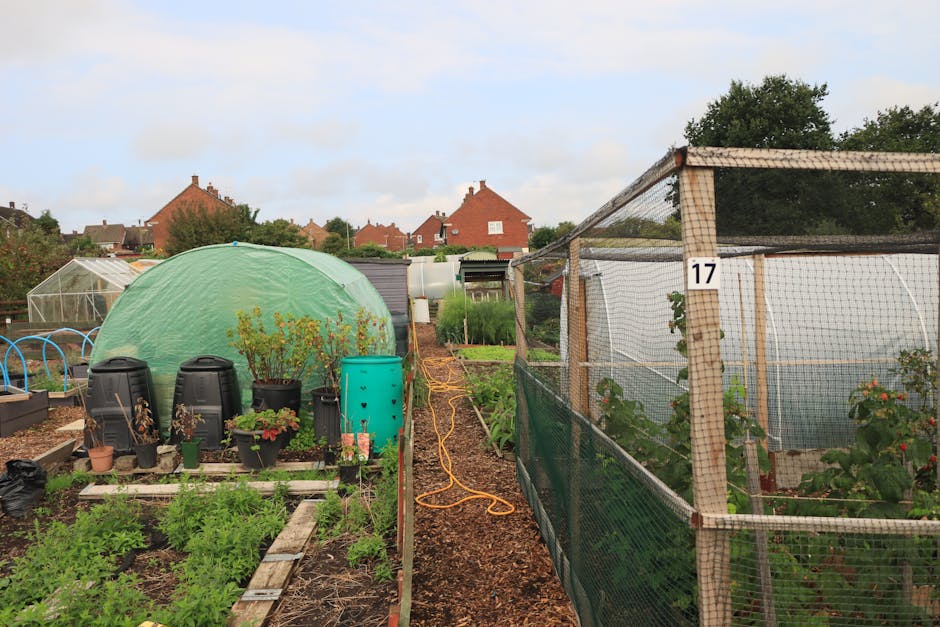
Hornsey Town Hall community garden care tips from local gardeners
If you've ever looked at a shared garden and thought, "That could be beautiful with the right care," you're in the right place. Hornsey Town Hall community garden care tips from local gardeners are less about fancy tricks and more about steady, sensible habits that keep a public space healthy, welcoming, and easy to maintain. In a place like Hornsey, where weather shifts quickly and many people use the same beds, paths, and borders, small decisions make a big difference. This guide brings together practical advice you can actually use, whether you help once a week, tend a single bed, or simply want the garden to look its best without creating more work for everyone else.
Community gardens are a bit different from private ones. You're balancing appearance, plant health, shared responsibility, safety, and often a limited amount of time. Truth be told, that can feel like a lot. But with the right approach, it becomes much easier to manage-and a lot more enjoyable too.
Table of Contents
- Why these garden care tips matter
- How shared garden care works in practice
- Key benefits and practical advantages
- Who this is for and when it makes sense
- Step-by-step guidance
- Expert tips for better results
- Common mistakes to avoid
- Tools, resources and recommendations
- Law, compliance, standards, or best practice
- Options, methods, or comparison table
- Case study or real-world example
- Practical checklist
- Conclusion
- Frequently asked questions
Why Hornsey Town Hall community garden care tips from local gardeners Matters
Shared gardens live or die by consistency. One person doing a big tidy-up once in a while is helpful, but it rarely keeps a community garden thriving for long. What matters more is a rhythm: watering before things wilt, weeding before roots set in, checking paths before they become slippery, and pruning before plants become tangled or unsafe.
Hornsey Town Hall sits in a busy part of North London, so a community garden here has to cope with more than just plants. It has to handle foot traffic, changing light, dogs passing by, visitors who may not know which beds are delicate, and the occasional burst of dry weather followed by a very British downpour. That means care needs to be practical, not precious.
Local gardeners often notice the same thing: the gardens that stay attractive are the ones where everyone knows what "good enough" looks like. Not perfection. Just regular, thoughtful upkeep. You will notice the difference quickly. A bed that is mulched properly holds moisture better. A lawn or path kept clear feels more inviting. A hedge trimmed at the right time stops looking like a battle zone. Small wins, really, but they stack up.
Practical takeaway: the best community garden care is less about dramatic overhauls and more about repeatable habits, shared responsibility, and early action.
How Hornsey Town Hall community garden care tips from local gardeners Works
At its core, community garden care works by splitting the work into manageable jobs and matching those jobs to the season, the weather, and the level of use. That's the simple version. The slightly less simple version is that each bed, border, path, and planted area has its own pace.
For example, some plants will need frequent deadheading to keep flowering, while others benefit from being left alone for seed heads or wildlife. Some areas need weekly watering in dry spells; others become waterlogged if you overdo it. So the trick is not to treat the whole site as one single task. Look at it in parts.
Local gardeners usually work in a pattern like this:
- Observe first. Check for wilting, weeds, pests, broken stems, blocked drainage, or hazards.
- Tackle the urgent jobs. Water thirsty plants, remove litter, and deal with anything unsafe.
- Do the maintenance jobs. Weed, deadhead, prune lightly, sweep paths, and tidy edges.
- Improve conditions. Add compost, mulch, or supports where needed.
- Record what changed. A quick note helps the next volunteer know what's been done.
That last point is often missed, and it matters more than people think. A simple shared notebook-or even a phone message in a volunteer group-can stop jobs being repeated or forgotten. Gardening is a bit like keeping a kitchen running: if nobody knows the kettle's empty, you'll keep making the same mistake. Slightly ridiculous, but there you go.
Key Benefits and Practical Advantages
Good garden care isn't just about looks, although a tidy space does lift the mood. The real benefits go deeper than that.
- Healthier plants: Regular care reduces stress, disease spread, and competition from weeds.
- Lower maintenance over time: Small, frequent jobs are easier than a huge rescue operation later.
- Better use of shared space: Clear paths, neat edges, and balanced planting make the garden more welcoming.
- Improved safety: A maintained community garden reduces trip hazards, overgrown sections, and hidden debris.
- Stronger community pride: People tend to care more about a place that already looks cared for.
- More reliable seasonal performance: Beds prepared early usually cope better with heat, wind, and rain.
There's also a quieter benefit: shared confidence. When local gardeners know how the space is being managed, they're more likely to pitch in without worrying that they'll "do it wrong." That sounds small. It isn't.
If the garden is part of a wider maintenance schedule, it can also fit alongside broader outdoor care such as garden maintenance and, where needed, more structural improvements through landscape gardening. That wider view can make a community plot feel much more coherent.
Who This Is For and When It Makes Sense
This kind of care guide is useful for a few different people, and they're not all gardeners in the formal sense.
- Volunteer gardeners who help on a rota and want to focus on the right jobs first.
- Residents and neighbours who care about keeping the shared space attractive and usable.
- Community organisers who need a realistic system for maintenance, not just good intentions.
- Property or site managers who want to avoid patchy upkeep and last-minute fixes.
- New volunteers who want to help but need simple, practical direction.
It makes sense to use these tips when the garden is actively planted, when the seasons change, after a period of neglect, or when you're trying to prevent a small problem turning into a bigger one. That last one is a classic. A bit of bindweed here, a leaning shrub there, a muddy path after rain-and suddenly the whole space feels tired.
To be fair, not every garden needs the same level of attention. A small ornamental bed near a busy entrance will need more frequent checks than a low-use corner with hardy shrubs. The useful question is not "How much can we do?" but "What does this part of the garden actually need?"
Step-by-Step Guidance
If you want a practical approach that local gardeners can follow without overcomplicating things, use this sequence. It works well for shared spaces because it keeps the work grounded.
1. Start with a quick walk-through
Begin by looking, not grabbing tools. Walk the space slowly and note what stands out: dry soil, weeds, broken stakes, slugs, overgrown edges, trampling, litter, or plants that need a haircut. This first pass helps you avoid doing the wrong job at the wrong time.
2. Prioritise water and plant stress
If plants are wilting, water them early in the day or later in the evening during dry weather. Aim at the base of the plant, not the leaves, unless a plant specifically benefits from overhead watering. In shared beds, it's better to water deeply less often than to give a token splash every day. Deep watering encourages roots to grow down.
3. Remove weeds before they settle in
Weeding works best when the soil is slightly damp and the weeds are still small. Pulling them before they flower or seed saves a lot of future effort. Be careful around perennials and self-seeders; not everything green is a weed, and in a community garden that distinction really matters.
4. Deadhead and tidy selectively
Deadheading spent blooms can encourage more flowers and keep borders looking fresh. But don't strip everything bare. Some seed heads provide winter interest and food for birds. Local gardeners often keep a mixed approach: neater at the front, slightly looser at the back. It's a good compromise.
5. Mulch where it helps
Mulch is one of those jobs that looks unglamorous and works wonders. It helps retain moisture, suppress weeds, and improve soil over time. Compost, leaf mould, or well-rotted organic mulch can all be useful, depending on the bed and plant type. Leave a small gap around stems so you don't trap moisture where it can cause rot.
6. Check support and structure
Stake taller plants if they're leaning, tie in climbers gently, and inspect anything that might shift in wind or rain. In a public garden, loose supports are more than untidy-they can become hazards. If a structure is wobbly, fix it properly rather than improvising with a bit of string and hope.
7. Sweep and clear paths
Leaves, mud, and stray twigs can make a shared path look messy quickly. A tidy path changes the feel of the space almost instantly. And yes, people really do notice. A garden can be lush and still feel neglected if the routes through it are messy.
8. Finish with a note for the next person
Write down what you did and what still needs attention. A shared log is very useful for watering, pruning, and seasonal jobs. If you've ever turned up to a volunteer session and thought, "What happened here last week?", you'll know why this matters.
Expert Tips for Better Results
Experienced local gardeners tend to think in layers, not just tasks. That mindset makes a big difference in a community garden.
- Water less often, but more thoroughly. Shallow watering creates shallow roots. The plants look fine until they don't.
- Work with the site's microclimates. One corner may be dry and sunny, another shaded and damp. Treat them differently.
- Protect soil structure. Avoid compacting wet soil by walking over beds unnecessarily. It's one of those quiet mistakes that causes long-term trouble.
- Use the right cut at the right time. Some shrubs respond well to light seasonal pruning, while others should be left until after flowering.
- Keep a "watch list." Note problem spots that need repeat attention, like weeds returning near a fence or a patch that always dries out.
- Think in seasons. Spring is about growth and establishment, summer is about watering and observation, autumn is about clearing and preparing, and winter is about structure and restraint.
A useful rule of thumb: if a job can be done gently, do it gently. Community gardens rarely benefit from aggressive tidying. A slightly softer hand often produces better results, and fewer regrets.
And don't ignore scent and sound, oddly enough. A healthy garden has a certain freshness after rain, the soft scrape of a rake, the earthy smell of compost, even the occasional bee humming through the borders. Those are tiny signals, but they tell you the space is alive and being cared for.
Common Mistakes to Avoid
Even well-meaning volunteers make predictable mistakes. Nothing dramatic. Just the kind of thing that quietly creates more work later.
- Overwatering in cool weather: This can waterlog roots and encourage fungal issues.
- Cutting back too hard: Some plants need a light touch, not a full reset.
- Pulling everything green: It's easy to remove seedlings or self-sown plants that were actually meant to be there.
- Leaving weeds until they seed: That turns a ten-minute job into a longer one next week.
- Using the wrong mulch too close to stems: It may look tidy but can cause rot.
- Ignoring shared communication: Two people doing the same job and nobody watering the dry bed is a classic community-garden mess-up.
- Trying to do everything at once: Shared gardens do best with steady maintenance, not heroic weekends.
One more subtle issue: people sometimes assume a garden "needs help" because it looks a little wild. But wild and neglected are not the same thing. In the right place, a looser style can support wildlife and still be intentional. The key is knowing whether the roughness is design or drift.
Tools, Resources and Recommendations
You do not need a shed full of specialist gear to care for a community garden well. In fact, too many tools can become clutter. A small, reliable kit usually works best.
| Tool or resource | Best use | Why it helps |
|---|---|---|
| Hand trowel | Planting, weeding, soil work | Useful for precise tasks in crowded beds |
| Bypass secateurs | Pruning small stems | Makes cleaner cuts and reduces plant damage |
| Watering can or hose access | Targeted watering | Helps you control how much water each area gets |
| Gloves | General protection | Useful for thorny plants, debris, and damp soil |
| Rake or broom | Path and leaf clearance | Keeps shared surfaces tidy and safer |
| Compost or mulch | Soil improvement and moisture retention | Supports plant health and reduces weed pressure |
| Shared notebook or message log | Volunteer coordination | Prevents duplication and missed jobs |
If the garden includes larger shrubs, hedging, or taller trees, it's sensible to coordinate with services that handle those jobs properly, such as hedge trimming or tree lopping and removal where safety or size becomes an issue. For bigger interventions, the site may also benefit from garden clearance before new planting or seasonal redesign.
As for sourcing and planning, a clear overview of available work can help you match the garden's needs to the right level of support. A page like services overview can be useful when you're trying to decide whether a job is a quick volunteer task or something better handled by a professional team.
Law, Compliance, Standards, or Best Practice
For a community garden, the practical side of compliance is usually about safety, access, and responsible upkeep rather than paperwork for its own sake. That said, public or shared spaces do carry expectations.
In plain English, best practice usually means:
- keeping walkways reasonably clear and free from obvious trip hazards;
- making sure tools are stored safely when not in use;
- handling pruning, lifting, and debris removal with care;
- checking for anything unstable before volunteers or visitors use the space;
- respecting accessibility needs where possible, especially around routes and entrances;
- being mindful of waste handling and recycling where the site produces green waste.
If the garden is part of a managed property or public-facing site, it's wise to keep an eye on general health and safety obligations, insurance expectations, and local site rules. Those details vary, so it's better not to guess. A sensible approach is to treat safety as part of the routine, not as an afterthought. That includes the boring bits too, like reporting broken paving or making sure tools are accounted for after a session. Boring, yes. Necessary, absolutely.
For sustainability-minded teams, a recycling approach that separates reusable green waste from general rubbish can also help keep maintenance tidy and more environmentally responsible. If you want a broader sustainability angle, see the site's recycling and sustainability page and the health and safety policy for general site expectations. If there are concerns about care standards or service issues, the published complaints procedure and about us information can also help set expectations clearly.
Options, Methods, or Comparison Table
Different garden care methods suit different parts of a shared space. There isn't one perfect approach, honestly. Here's a simple comparison to help you decide what makes sense where.
| Method | Best for | Pros | Watch-outs |
|---|---|---|---|
| Volunteer-led weekly upkeep | Light maintenance, visible tidy-ups | Low cost, flexible, community-building | Depends on turnout and clear coordination |
| Seasonal intensive care | Resetting beds, pruning, mulching | Good for larger jobs and stronger results | Can leave long gaps between sessions if not planned well |
| Scheduled professional support | Safety-sensitive or specialist tasks | Consistent finish, efficient for bigger work | Usually costs more than volunteer labour |
| Mixed model | Most community gardens | Balanced, realistic, adaptable | Needs good communication so jobs don't get duplicated |
In many cases, the mixed model is the sweet spot. Volunteers handle lighter routine tasks, while larger or riskier jobs are booked in as needed. That can include larger mowing areas via lawn mowing, structural planting through landscaping, or other regular upkeep that keeps the whole site looking coherent.
Case Study or Real-World Example
Here's a realistic example from the sort of situation many local gardeners recognise. A shared planting area near a busy entrance was looking tired by late spring: weeds were popping through, a few perennials had collapsed after rain, and the path edge had started to blur into the border. Nothing dramatic, just enough to make the whole space feel a bit unloved.
The volunteer team didn't try to rebuild the whole garden in one go. Instead, they broke the work into three sessions. First, they cleared the path and removed the obvious weeds. Next, they cut back damaged stems, staked the floppy plants, and topped up the mulch. Finally, they walked the area after a dry spell and noted the driest patch for extra watering the following week.
By the end, the garden didn't just look tidier. It felt easier to manage. People could see where to walk, new volunteers understood where to focus, and nobody had to guess what the next job was. That's the quiet win with community garden care. Not perfection. Just a space that keeps working.
And yes, sometimes the simplest move is the best one. A sharp pair of secateurs and ten minutes of focused tidying can do more than an all-day "sort everything" session that fizzles out by lunch.
Practical Checklist
Use this checklist before, during, or after a garden care session. It keeps things grounded and helps volunteers stay consistent.
- Check soil moisture before watering.
- Remove litter and obvious debris first.
- Weed while the soil is workable.
- Deadhead spent flowers where appropriate.
- Prune lightly and only where needed.
- Keep mulch away from plant stems.
- Inspect supports, stakes, and ties.
- Sweep or rake paths and entrances.
- Note any damaged, diseased, or unsafe areas.
- Record what was done for the next volunteer session.
- Separate green waste if the site uses recycling procedures.
- Leave the space safer and clearer than you found it.
Quick reminder: if you only have half an hour, focus on water, weeds, and safety. Those three usually give the biggest visible improvement. Not glamorous, but effective.
Conclusion
Hornsey Town Hall community garden care tips from local gardeners come down to a simple idea: shared spaces flourish when care is regular, practical, and a little bit humble. You do not need perfect weather, perfect tools, or a grand plan. You need people who notice what the garden is telling them and respond in time.
That might mean watering before a hot spell, pulling weeds before they spread, trimming edges so people can move through the garden comfortably, or leaving a note for the next person. Small actions. Real impact. And over a season, they add up to a garden that feels looked after rather than simply left to cope.
If you're planning a wider refresh or need help with upkeep that goes beyond volunteer time, it's worth exploring the practical options available and matching the job to the right level of support.
Get a free quote today and see how much you can save.
Sometimes the best gardens are the ones that feel quietly cared for, day after day, by people who simply kept showing up.
Frequently Asked Questions
What are the best Hornsey Town Hall community garden care tips from local gardeners for beginners?
Start with the basics: water properly, remove weeds before they seed, deadhead spent flowers, and keep paths clear. Beginners usually do best when they focus on small, regular jobs rather than trying to redesign the whole space.
How often should a community garden be watered?
It depends on the season, soil, and plant type, but deeper watering less often is usually better than shallow daily watering. In dry spells, check the soil first rather than relying on a fixed routine.
What should volunteers do first during a garden care session?
Walk the site first and look for urgent issues such as wilting plants, hazards, litter, or obvious weeds. That quick survey helps you prioritise the most useful jobs.
How do local gardeners keep shared beds looking tidy without overdoing it?
They tend to tidy selectively. That means deadheading, light pruning, edge definition, and weed control, while still leaving some natural structure where it suits the planting.
What is the biggest mistake people make in a community garden?
Probably doing too much in one go or doing the wrong thing at the wrong time. Heavy-handed pruning, overwatering, and poor coordination are common issues.
Do community gardens need professional maintenance?
Not always, but professional help can be useful for larger tasks, safety-sensitive work, hedge cutting, tree work, or a major clear-up. A mixed approach is often the most practical.
How can you tell if a plant needs water or just looks tired?
Check the soil rather than guessing from the leaves alone. Dry soil, wilting in hot weather, and a plant that perks up after watering are all signs it needed moisture. If the soil is already wet, the problem may be something else.
What tools are essential for shared garden care?
A hand trowel, secateurs, gloves, a watering can or hose access, and a rake or broom usually cover most routine jobs. A shared notebook or message log is also very helpful.
How do you manage weeds in a public garden without constant backbreaking work?
Mulch regularly, weed early, and avoid letting problem patches go to seed. A little and often approach is much easier than tackling a huge infestation later.
Are there safety rules volunteers should follow in a community garden?
Yes. Keep paths clear, store tools safely, handle lifting carefully, and check for unstable structures or trip hazards. If the site is public or managed, it's sensible to follow the garden's health and safety guidance.
What should be recorded after a volunteer gardening session?
Note what was watered, pruned, cleared, or repaired, and mention any issues that need follow-up. Even a few short lines can save time next week.
Can community garden care support sustainability?
Absolutely. Composting green waste, mulching to save water, and choosing low-input maintenance methods all support a more sustainable garden. Good care and sustainable care often go hand in hand.